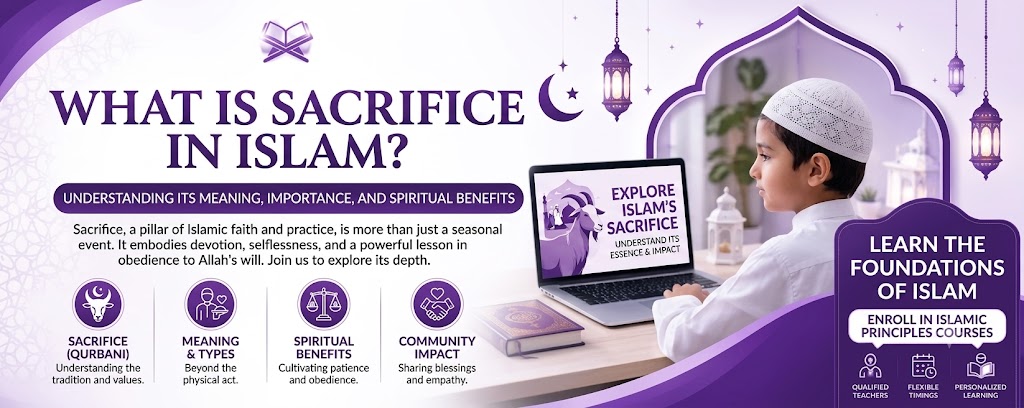
What Is Sacrifice in Islam? Understanding Its Meaning, Importance, and Spiritual Benefits
Sacrifice is one of the most important acts of worship in Islam. It reflects a Muslim's obedience, devotion, and willingness to submit to the commands of Allah. The concept of sacrifice goes beyond the act of slaughtering an animal during Eid-ul-Adha. It represents giving up something valuable for the sake of Allah and seeking His pleasure above all else.
Through sacrifice, Muslims learn the values of faith, gratitude, generosity, and compassion. It serves as a reminder of the devotion shown by Prophet Ibrahim (AS) and his son Prophet Ismail (AS), whose story continues to inspire Muslims around the world.
What Does Sacrifice Mean in Islam?
In Islam, sacrifice refers to offering something valuable for the sake of Allah. The most well-known form of sacrifice is Qurbani, which is performed during Eid-ul-Adha.
However, sacrifice is not limited to animals. It also includes:
Giving time to worship Allah
Helping those in need
Donating wealth to charity
Giving up sinful habits
Putting Allah’s commands above personal desires
These acts strengthen a Muslim's faith and help build a closer relationship with Allah.
The Story Behind Sacrifice in Islam
The foundation of sacrifice in Islam comes from the story of Prophet Ibrahim (AS). Allah tested his faith by commanding him to sacrifice his beloved son, Prophet Ismail (AS).
Both father and son submitted to Allah's command without hesitation. Before the sacrifice took place, Allah replaced Ismail (AS) with a ram, showing that the true purpose of the test was obedience and faith.
This event teaches Muslims:
Complete trust in Allah
Patience during difficult situations
Obedience to Allah's commands
Willingness to sacrifice for righteousness
Every year, Muslims remember this powerful lesson through Qurbani during Eid-ul-Adha.
Why Sacrifice Is Important in Islam
Sacrifice plays a significant role in strengthening a believer's character and faith.
Through sacrifice, Muslims learn to:
Develop sincerity in worship
Strengthen their connection with Allah
Show gratitude for Allah's blessings
Care for the poor and needy
Practice generosity and kindness
The act reminds believers that everything they possess ultimately belongs to Allah.
The Spiritual Benefits of Sacrifice
Sacrifice is not only a physical act but also a spiritual journey. It helps purify the heart and encourages believers to focus on their relationship with Allah.
Some important spiritual benefits include:
Strengthening Faith
Sacrifice teaches Muslims to trust Allah and follow His guidance even when it requires personal effort or hardship.
Building Gratitude
By sharing blessings with others, Muslims become more thankful for what Allah has provided.
Encouraging Generosity
Qurbani meat is often distributed among family, friends, and those in need, promoting kindness and social responsibility.
Developing Selflessness
Sacrifice encourages believers to think beyond their own desires and consider the needs of others.
How Sacrifice Promotes Social Unity
One of the unique aspects of sacrifice in Islam is its impact on society. During Eid-ul-Adha, families and communities come together to share food and celebrate.
This practice helps:
Support underprivileged families
Strengthen community bonds
Promote equality and compassion
Encourage sharing and cooperation
Through sacrifice, Muslims demonstrate care and concern for others regardless of their social status.
Sacrifice Beyond Eid-ul-Adha
While Qurbani is an important form of sacrifice, Islam encourages sacrifice throughout the year.
Examples include:
Donating to charitable causes
Helping family members
Volunteering in community projects
Spending time learning and teaching Islam
Avoiding actions that displease Allah
These daily sacrifices contribute to personal growth and spiritual development.
Lessons Muslims Can Learn from Sacrifice
The concept of sacrifice offers valuable lessons that can be applied in everyday life:
Obedience to Allah
A believer should prioritize Allah's commands above personal preferences.
Patience and Perseverance
Difficulties often bring opportunities for spiritual growth.
Compassion for Others
Helping those in need is an essential part of Islamic teachings.
Trust in Allah
Every challenge carries wisdom, and Allah always knows what is best.
Why Sacrifice Remains Relevant Today
In today's fast-paced world, sacrifice reminds Muslims to focus on faith, gratitude, and service to others. It teaches valuable principles that help individuals become more responsible, compassionate, and spiritually connected.
By understanding the true meaning of sacrifice, Muslims can strengthen their faith and develop qualities that benefit both themselves and society.
Final Thoughts
Sacrifice in Islam is far more than a ritual. It is a powerful expression of faith, obedience, and devotion to Allah. The story of Prophet Ibrahim (AS) teaches Muslims the importance of trust, patience, and complete submission to Allah's will.
Whether through Qurbani, charity, or everyday acts of kindness, sacrifice helps believers grow spiritually and strengthen their relationship with Allah. It encourages generosity, gratitude, and compassion, making it one of the most meaningful teachings in Islam.
Start Learning More About Islam Today
Understanding Islamic teachings helps strengthen faith and improve daily life.
Learn the meaning behind Islamic practices
Explore Quranic teachings and stories
Strengthen your connection with Allah
Build strong Islamic values for yourself and your family