What Is the Significance of Sacrifice in Islamic Tradition?
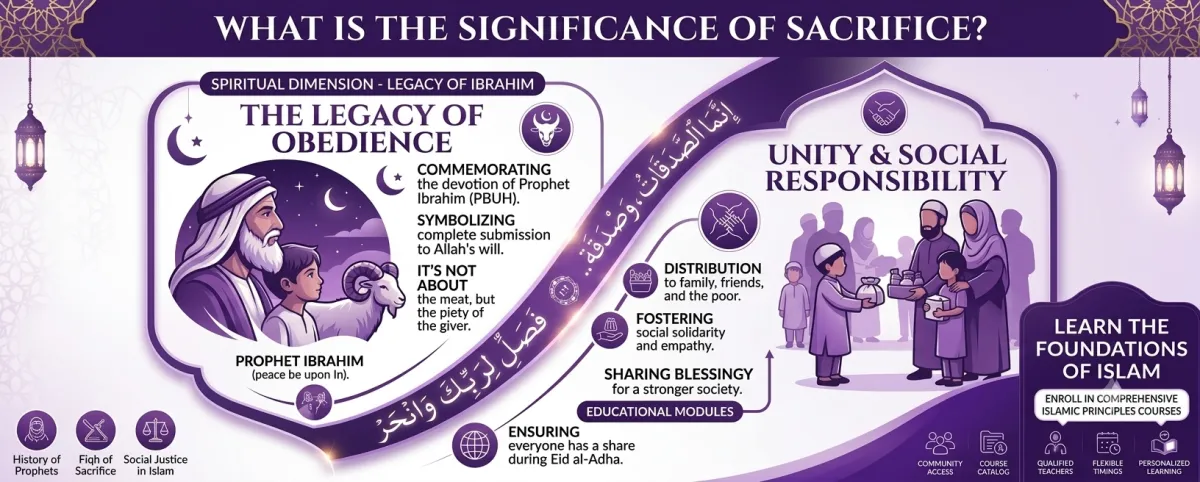
Sacrifice holds a special place in Islamic tradition and serves as a powerful symbol of faith, obedience, and devotion to Allah. It reminds Muslims of the willingness of Prophet Ibrahim (AS) and his son Prophet Ismail (AS) to submit completely to Allah's command. Through sacrifice, Muslims learn important lessons about trust, gratitude, generosity, and selflessness.
Every year during Eid-ul-Adha, Muslims around the world perform Qurbani to commemorate this remarkable act of faith. However, the significance of sacrifice in Islam extends far beyond the ritual itself. It represents a believer's commitment to putting Allah's commands above personal desires and worldly attachments.
Understanding Sacrifice in Islamic Tradition
In Islam, sacrifice is an act of worship that demonstrates submission to Allah. The practice of Qurbani is rooted in the story of Prophet Ibrahim (AS), who was willing to sacrifice his beloved son after receiving Allah's command.
Before the sacrifice could take place, Allah replaced Prophet Ismail (AS) with a ram, showing that the true test was obedience and faith rather than the act itself.
This event remains one of the most important examples of devotion in Islamic history and continues to inspire Muslims today.
Why Sacrifice Is Important in Islam
Sacrifice teaches believers that true faith requires trust in Allah and a willingness to follow His guidance.
Some key reasons why sacrifice is important include:
Demonstrating obedience to Allah
Strengthening faith and trust
Encouraging generosity and compassion
Helping those in need
Promoting gratitude for Allah's blessings
These values help Muslims grow spiritually and develop stronger moral character.
The Spiritual Significance of Sacrifice
The significance of sacrifice is not limited to the physical act of offering an animal. Islam emphasizes the sincerity and intention behind every act of worship.
Strengthening the Relationship with Allah
Sacrifice reminds believers that their love and devotion to Allah should come before all worldly possessions and desires.
Developing Taqwa (God-Consciousness)
By performing sacrifice with sincere intentions, Muslims become more mindful of Allah and strive to follow His commands in daily life.
Encouraging Selflessness
Sacrifice teaches Muslims to think about the needs of others and share their blessings with those who are less fortunate.
Building Gratitude
The act of sacrifice encourages believers to appreciate the countless blessings Allah has provided.
How Sacrifice Promotes Charity and Compassion
One of the most meaningful aspects of Qurbani is the distribution of meat to family members, friends, and people in need.
This practice helps:
Support underprivileged communities
Reduce hunger among needy families
Strengthen social bonds
Encourage generosity and kindness
Through sacrifice, Muslims are reminded of their responsibility to care for others and contribute positively to society.
Lessons from the Story of Prophet Ibrahim (AS)
The story of Prophet Ibrahim (AS) contains timeless lessons that remain relevant today.
Complete Obedience to Allah
Prophet Ibrahim (AS) showed unwavering faith by accepting Allah's command without hesitation.
Trust in Allah's Wisdom
The story teaches Muslims that Allah's plans are always based on wisdom, even when they are difficult to understand.
Patience During Trials
Believers often face challenges in life, and the example of Prophet Ibrahim (AS) demonstrates the importance of patience and perseverance.
Commitment to Faith
The willingness to sacrifice for the sake of Allah highlights the importance of prioritizing faith above worldly concerns.
Sacrifice Beyond Eid-ul-Adha
Islam encourages believers to practice sacrifice throughout the year in many different ways.
Examples include:
Giving charity regularly
Helping family and neighbors
Volunteering for community service
Spending time learning Islam
Avoiding sinful actions for the sake of Allah
These everyday sacrifices contribute to personal growth and spiritual development.
The Relevance of Sacrifice in Modern Life
In today's world, people often face distractions and materialistic pressures. The concept of sacrifice reminds Muslims to focus on what truly matters and maintain a strong connection with Allah.
The values of sacrifice help individuals:
Develop discipline and self-control
Strengthen their faith
Build compassion for others
Practice generosity
Live according to Islamic principles
These lessons remain valuable for Muslims of all ages and backgrounds.
Benefits of Understanding the Significance of Sacrifice
When Muslims understand the deeper meaning of sacrifice, they can gain several benefits:
Stronger faith and trust in Allah
Greater appreciation for blessings
Improved character and moral values
Increased generosity and compassion
Better understanding of Islamic teachings
These benefits help believers become more spiritually aware and socially responsible.
Final Thoughts
The significance of sacrifice in Islamic tradition goes far beyond the act of Qurbani. It represents faith, obedience, trust, gratitude, and compassion. The story of Prophet Ibrahim (AS) serves as a powerful reminder of what it means to submit wholeheartedly to Allah's will.
Through sacrifice, Muslims strengthen their relationship with Allah, support those in need, and develop qualities that benefit both themselves and society. By understanding its true meaning, believers can apply the lessons of sacrifice throughout their daily lives and continue growing in faith and character.
Learn More About Islamic Teachings
Deepening your understanding of Islamic traditions helps strengthen faith and improve daily life.
Learn the meaning behind Islamic practices
Explore Quranic teachings and prophetic examples
Strengthen your connection with Allah
Develop strong Islamic values and character